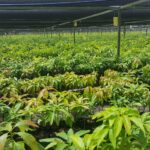
Nursery: Indigenous Tree and Fruit Seedlings

Agrigm Technologies is at the forefront of promoting environmental sustainability and enhancing food security through its Indigenous Tree and Fruit Seedling Nursery initiative. This project focuses on providing smallholder farmers, communities, and institutions with high-quality seedlings of indigenous tree species and fruit varieties. By promoting the planting of native trees and fruit-bearing plants, Agrigm contributes to reforestation efforts, biodiversity conservation, and improved nutrition.

Importance of Indigenous Tree Species

Indigenous trees are vital to maintaining the ecological balance of ecosystems. Unlike exotic species, indigenous trees are naturally adapted to local climatic conditions, making them more resilient to environmental stresses such as drought, pests, and diseases. Some of the key benefits of planting indigenous trees include:

Biodiversity Conservation

Biodiversity Conservation: Indigenous trees provide habitats for native wildlife, supporting biodiversity and promoting the health of local ecosystems

Soil Health Improvement

These trees help prevent soil erosion, improve water retention, and enrich the soil with organic matter, making the land more fertile for future agricultural activities.

Climate Change Mitigation

Climate Change Mitigation: Indigenous trees play a crucial role in sequestering carbon dioxide, thus reducing greenhouse gases and mitigating the impact of climate change.

Through the nursery initiative, Agrigm supplies seedlings of key indigenous species that are beneficial for reforestation and land restoration projects, as well as for agroforestry systems that integrate trees with crops and livestock.

Promoting Fruit Tree Cultivation for Food Security

In addition to indigenous trees, Agrigm’s nursery also provides a wide variety of fruit tree seedlings. These fruit trees not only offer a reliable source of nutrition but also serve as an income-generating asset for smallholder farmers. By planting fruit trees, farmers can diversify their production, enhance food security, and create new revenue streams through the sale of fruits. Some of the fruit varieties available in the nursery include:

  • Mangoes
  • Avocados
  • Citrus fruits (oranges, lemons, limes)
  • Pawpaw (papaya)
  • Guavas

These fruit trees contribute to household nutrition by providing a rich source of vitamins and minerals. Moreover, the sale of fruits in local markets offers an additional income stream, helping farmers improve their livelihoods.

Supporting Agroforestry and Sustainable Land Management

Agrigm actively promotes the practice of agroforestry, which involves integrating trees with crops and livestock on the same land. Agroforestry offers numerous benefits to farmers, including:

  • Improved Soil Fertility: The trees in agroforestry systems contribute organic matter to the soil, reducing the need for synthetic fertilizers and enhancing soil health.
  • Increased Water Retention: Tree roots help retain moisture in the soil, reducing the need for irrigation and making farms more resilient to drought conditions.
  • Windbreaks and Shade: Trees act as natural windbreaks, protecting crops from wind damage. They also provide shade, reducing heat stress on crops and livestock.
    Agrigm’s nursery plays a key role in supporting agroforestry by providing farmers with the tree seedlings they need to create sustainable, productive farming systems that benefit both the environment and their economic well-being.
Reforestation and Land Restoration

Deforestation and land degradation have become pressing issues in many regions, leading to loss of biodiversity, soil erosion, and reduced agricultural productivity. Agrigm’s nursery project is actively involved in reforestation efforts aimed at reversing these trends. By supplying indigenous tree seedlings for reforestation programs, Agrigm contributes to the restoration of degraded landscapes, ensuring that these areas can recover and support sustainable farming in the future.Additionally, Agrigm partners with community organizations, schools, and environmental groups to plant trees in public spaces, school grounds, and along water catchments. These initiatives not only improve the environment but also raise awareness about the importance of conservation and sustainable land management.
Farmer Training and Support

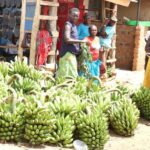
Agrigm provides more than just seedlings—farmers receive training on how to properly plant and care for the trees and fruit seedlings to maximize their survival rates and long-term benefits. Farmers learn about:Proper planting techniques: Ensuring that trees and seedlings are planted at the right depth and spacing to promote healthy growth. Tree care and maintenance: Understanding how to water, mulch, and protect the trees from pests and diseases during the early growth stages. Agroforestry integration: Learning how to successfully incorporate trees into existing crop or livestock farming systems. Agrigm’s support ensures that farmers are equipped with the knowledge and skills to maintain their seedlings, ensuring long-term benefits for their farms and communities.

Conclusion: Enhancing Sustainability and Food Security

Agrigm’s Indigenous Tree and Fruit Seedling Nursery initiative is a vital part of its broader mission to promote environmental sustainability and improve food security. By providing high-quality indigenous and fruit tree seedlings, along with the training needed to care for them, Agrigm is helping farmers diversify their production, restore degraded lands, and create more resilient farming systems.

This project not only contributes to the livelihoods of smallholder farmers but also plays a crucial role in conserving biodiversity, mitigating climate change, and ensuring a sustainable future for agriculture in the region.